
Varicose Vein Pain Relief Options You Should Know
- May 22
- 7 min read
Varicose veins are a prevalent venous condition that frequently produces leg discomfort and functional limitation. This article reviews etiologies and clinical signs, conservative self-care measures, available medical and minimally invasive procedures, and indications for specialist evaluation. The objective is to provide a clear framework for managing varicose vein–related pain.

What Are the Causes and Symptoms of Varicose Vein Pain?
Varicose vein pain most commonly results from valvular incompetence within the superficial venous system, which impairs venous return and contributes to venous hypertension. Typical clinical manifestations include a dull ache or leg heaviness, throbbing or burning sensations, and symptom exacerbation after prolonged standing. These signs can impair daily activity and reduce quality of life. Evidence indicates that localized pain is frequently attributable directly to the varicose veins themselves.
Understanding Localized Varicose Vein Pain Causes The local pain syndrome occurs directly over varicose veins. When pain is noted away from the vein, axial reflux of either the superficial or deep venous system should be considered (Management of varicose veins and venous insufficiency, 2012)
Early recognition of these clinical signs facilitates timely diagnostic evaluation and selection of appropriate therapeutic options.
What Natural and Home Remedies Effectively Relieve Varicose Vein Pain?
Conservative, noninvasive measures can reduce symptoms and are appropriate initial management for many patients. Common options include the following interventions.
Clinical studies have examined the efficacy of natural remedies for symptom relief in patients with spider and mild varicose veins.
Natural Remedies for Spider & Mild Varicose Veins Tested on more than 650 patients suffering from spider and mild varicose veins, this natural remedy demonstrated multiple symptomatic effects on study subjects (A Unique Natural Remedy that Alleviates Varicose Vein, R Hamidpour, 2017)
Leg Elevation: Elevating the legs can help reduce swelling and improve circulation, providing immediate relief from discomfort.
Cold Compresses: Applying cold compresses to affected areas can alleviate pain and reduce inflammation.
Compression Stockings: Wearing compression stockings can support the veins and improve blood flow, helping to relieve symptoms.
These measures can be integrated into daily routines and may provide meaningful symptomatic relief. Persistent or progressive symptoms should prompt consideration of medical or procedural interventions.
What Medical and Minimally Invasive Treatments Are Available for Varicose Vein Pain Relief?
Contemporary management includes several minimally invasive modalities. The most common interventional options are listed below.
Sclerotherapy: This involves injecting a solution into the affected veins, causing them to collapse and fade from view.
Endovenous Laser Therapy (EVLT): A minimally invasive procedure that uses laser energy to close off varicose veins.
Radiofrequency Ablation: This technique uses heat to close off varicose veins, redirecting blood flow to healthier veins.
These techniques represent an evolution from traditional surgical approaches and offer less invasive treatment with favourable recovery profiles for many patients.
Minimally Invasive Treatments for Varicose Vein Pain Varicose veins are enlarged, visibly lumpy knotted veins, usually in the legs. Uncomplicated varicose veins can cause major discomfort and some complications. They are part of chronic venous disease (CVD), which is reported to have a substantial negative impact on health-related quality of life (HRQoL). Traditional treatments for varicose veins involve surgical stripping and ligation and liquid sclerotherapy (LS), but can be invasive and painful. New minimally invasive treatments offer an alternative. These treatments typically involve use of laser, radiofrequency or foam sclerosant. They are increasingly widely used and offer potential benefits such as reduced complications, faster recovery, fewer physical limitations and improved quality of life. (Clinical effectiveness and cost-effectiveness of minimally invasive techniques to manage varicose veins: a systematic review and economic evaluation, C Carroll, 2013)
VeinCentre provides non-surgical and minimally invasive venous care intended to relieve pain and optimize vascular health. With locations in Richmond Hill (VeinCentre) and Toronto (North Toronto Surgical), they offer free consultations covered by OHIP to help patients evaluate treatment options and make informed decisions.
Treatment Option | Description | Effectiveness |
Sclerotherapy | Injection of a solution to collapse veins | High |
Endovenous Laser Therapy | Laser energy to close veins | High |
Radiofrequency Ablation | Heat application to close the veins | High |
The table summarizes the relative effectiveness of selected treatment options to assist patients in making informed care decisions. For specialist assessment and procedural management, Dr. Luis Figueroa at VeinCentre provides consultations and clinical expertise.
When Should Patients Seek Medical Consultation for Varicose Vein Pain?
Medical consultation is recommended under several circumstances. Key indicators include:
Sudden or Severe Swelling: This could indicate a more serious condition requiring immediate attention.
Persistent Pain: If pain continues despite home remedies, it may be time to consult a healthcare professional.
Signs of Infection: Symptoms such as redness, warmth, or fever should prompt immediate medical evaluation.
Timely recognition of these indicators enables appropriate intervention, improved symptom control, and better clinical outcomes. To review comprehensive treatment options and obtain personalized recommendations, visit Ontario Vascular for detailed information and care pathways.
Frequently Asked Questions
What lifestyle changes can help manage varicose vein pain?
Targeted lifestyle modifications can reduce varicose vein symptoms. Regular aerobic activity, such as walking or swimming, improves venous return and calf muscle pump function. Weight management reduces venous load. Avoiding prolonged standing or sitting limits symptom exacerbation. A diet higher in fibre with reduced sodium intake may help control edema and support vascular health.
Are there any specific exercises recommended for varicose veins?
Low-impact aerobic activities—walking, cycling, and swimming—promote circulation without excessive lower-extremity strain. Strengthening exercises such as leg lifts and calf raises enhance pericalf musculature and improve venous return. Stretching increases flexibility and may reduce discomfort. Consult a healthcare provider before initiating a new exercise regimen.
Can varicose veins lead to more serious health issues?
Varicose veins can progress to complications if untreated, including chronic venous insufficiency with associated swelling, skin changes, and ulceration. In rare instances, venous thromboembolic events such as deep vein thrombosis (DVT) may occur and require urgent evaluation. Regular surveillance and appropriate treatment reduce the risk of progression.
How can I choose the right compression stockings?
Selection of compression hosiery requires assessment of the clinical indication and the required compression level, typically measured in millimetres of mercury (mmHg). Proper sizing ensures therapeutic benefit without excessive constriction. Choose between knee-high and thigh-high styles based on disease distribution and patient preference, and select material suitable for extended wear.
What are the costs associated with varicose vein treatments?
Costs vary by procedure type, provider, and geographic location. Sclerotherapy and laser treatments generally range from $300 to $3,000 per session, depending on disease severity and the number of sites treated. Insurance coverage may apply when treatment is medically indicated; patients should verify coverage with their insurer and provider.
Are there any contraindications for varicose vein treatments?
Certain contraindications may preclude specific interventions. Patients with severe peripheral arterial disease, active local infection, or dermatologic conditions affecting the treatment site may not be suitable candidates for procedures such as sclerotherapy or endovenous therapies. Pregnancy is typically a reason to defer elective treatment until after delivery. A review of medical history with a provider is essential to determine appropriate and safe treatment options.
Additional Insights into Varicose Vein Pain and Management
Understanding the pathophysiology of varicose veins is crucial for effective management. Varicose veins develop when the valves within the veins become weakened or damaged, leading to blood pooling and increased venous pressure. This venous hypertension causes the veins to dilate and become tortuous, which can trigger inflammation and pain. The chronic nature of this condition means that symptoms often worsen over time without intervention.
Besides the physical discomfort, varicose veins can have psychological and social impacts. Many patients experience embarrassment or self-consciousness due to the visible nature of the veins, which can affect their quality of life and social interactions. Addressing these concerns is an important aspect of comprehensive care.
Advanced Diagnostic Techniques
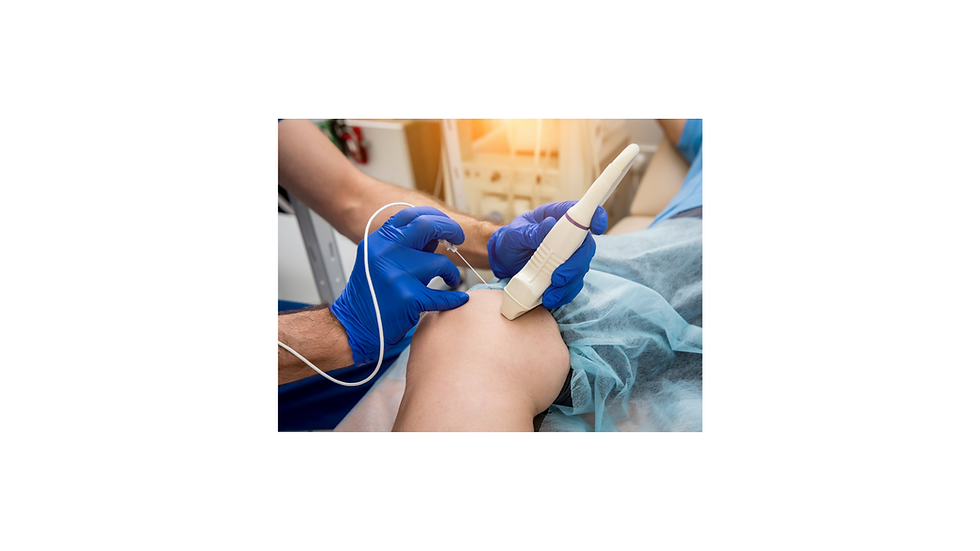
Accurate diagnosis is essential to tailor treatment plans effectively. Duplex ultrasonography remains the gold standard for evaluating venous reflux and mapping the venous anatomy. This noninvasive imaging technique provides real-time visualization of blood flow and valve function, helping to identify the extent and severity of venous insufficiency.
In some cases, additional imaging such as venography or magnetic resonance venography (MRV) may be employed to assess deep venous system involvement or complex venous malformations. These advanced diagnostics assist in planning interventions and predicting outcomes.
Emerging Treatment Modalities
Recent advances in varicose vein treatment have introduced novel techniques that enhance patient comfort and outcomes. Among these are:
Foam Sclerotherapy: This variation of traditional sclerotherapy uses a foam sclerosant that displaces blood within the vein, allowing for better contact with the vein wall and improved efficacy, especially in larger veins.
Mechanochemical Ablation (MOCA): Combining mechanical disruption of the vein lining with chemical ablation, MOCA offers a minimally invasive option without the need for thermal energy, reducing the risk of nerve injury.
Cyanoacrylate Adhesive Closure: This technique uses a medical adhesive to close the vein, eliminating the need for tumescent anesthesia and providing rapid recovery.
These emerging therapies expand the armamentarium available to clinicians and may be suitable for patients who are not candidates for traditional treatments.
Comprehensive Lifestyle and Dietary Recommendations
In addition to physical activity and compression therapy, dietary modifications can play a supportive role in managing varicose vein symptoms. A diet rich in antioxidants, flavonoids, and vitamins C and E may help strengthen vein walls and reduce inflammation. Foods such as berries, citrus fruits, leafy greens, and nuts are beneficial.
Hydration is also important to maintain blood viscosity and promote healthy circulation. Limiting alcohol and caffeine intake can prevent dehydration and venous constriction.
Smoking cessation is critical, as tobacco use impairs vascular function and delays healing.
Psychosocial Support and Patient Education
Chronic venous disease can affect mental health due to persistent pain and cosmetic concerns. Providing patients with education about their condition, treatment options, and realistic expectations can empower them and reduce anxiety.
Support groups and counselling may be beneficial for patients struggling with the emotional impact of varicose veins. Encouraging open communication with healthcare providers ensures that psychosocial aspects are addressed alongside physical symptoms.
Post-Treatment Care and Long-Term Management
Successful varicose vein treatment requires attention to post-procedural care to optimize outcomes and prevent recurrence. Patients are typically advised to:
Wear compression stockings as directed to support healing and reduce swelling.
Engage in regular, gentle exercise to promote circulation.
Avoid prolonged standing or sitting immediately after treatment.
Attend follow-up appointments for monitoring and early detection of any complications.
Long-term management includes maintaining a healthy weight, continuing lifestyle modifications, and monitoring for new or recurrent varicose veins. Early intervention at the signs of recurrence can prevent progression and complications.
Understanding Potential Complications
While many patients experience relief with treatment, it is important to be aware of potential complications, which may include:
Phlebitis: Inflammation of the treated vein, causing pain and redness.
Skin Changes: Hyperpigmentation or scarring at the treatment site.
Deep Vein Thrombosis (DVT): Though rare, clot formation in deep veins requires urgent medical attention.
Recurrence: Varicose veins may recur, necessitating ongoing surveillance.
Prompt recognition and management of complications are essential to ensure patient safety and satisfaction.
Conclusion
Effective management of varicose vein pain combines conservative measures with targeted medical or minimally invasive procedures when indicated. Understanding the underlying mechanisms and clinical presentation enables informed decision-making. For individualized assessment and treatment planning, contact VeinCentre to arrange a consultation and determine the appropriate care pathway.



_edited_edited.jpg)