
Recovery After Varicose Vein Treatment in Ontario - What to Expect
Updated: 4 hours ago
When people ask about varicose vein removal, they usually mean one of several minimally invasive treatments that close problem veins instead of surgically stripping them. Because each treatment works differently, recovery looks a little different too. Knowing which procedure you are having helps you plan your time off work, your exercise, and your aftercare.
This guide, prepared by the team at VeinCentre under the direction of Dr. Luis Figueroa, a vascular surgeon, explains what recovery usually looks like after each of the treatments offered at VeinCentre: Radiofrequency Ablation (RFA), VenaSeal™ glue ablation, and sclerotherapy. It also covers general aftercare, returning to work and exercise, side effects, and warning signs. It is general information.
Your own care team will give you instructions for your procedure, and those always come first. If you want a broader overview of the recovery phases after ablation, you can read our guide to recovery time after vein ablation.

Which Varicose Vein Treatments Does VeinCentre Offer?
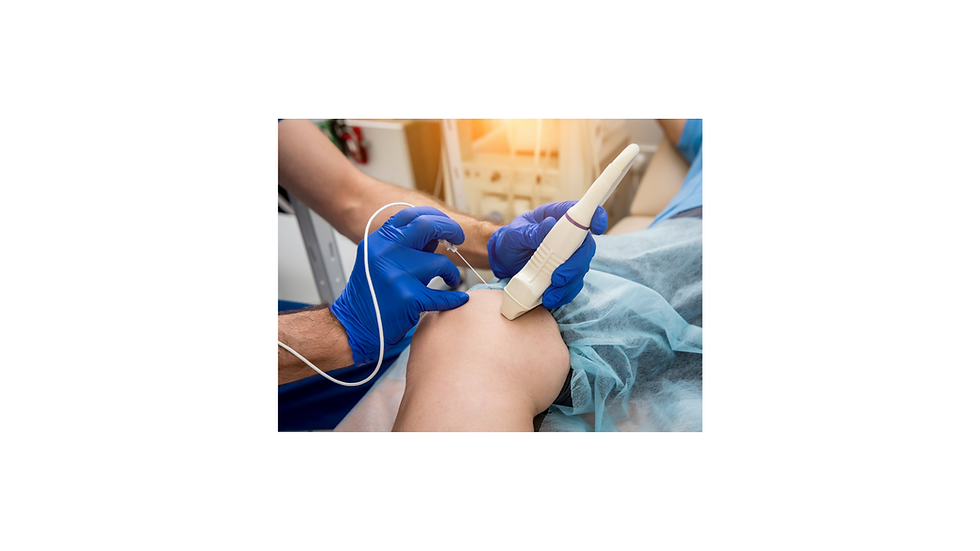
At VeinCentre, treatment is chosen after a consultation and a Duplex ultrasound, which are covered by OHIP for eligible patients. Depending on what the scan shows, the options include:
Radiofrequency Ablation (RFA): A catheter delivers heat energy to close the diseased vein.
VenaSeal™ glue ablation: A medical adhesive closes the diseased vein.
Sclerotherapy: An injection closes small varicose veins and spider veins.
These are minimally invasive procedures, which means there are no large surgical incisions. That is why many people find recovery easier than they expected. Even so, each one has its own aftercare, and results and recovery vary from person to person.
How Does Recovery Compare With Traditional Vein Surgery?
Older vein surgery involved larger incisions and often a longer period of restricted activity. Minimally invasive treatments work through a small entry point or a fine needle, so most people are encouraged to start walking soon afterward. Your doctor can explain how the procedure you are considering compares for your situation.
The main benefits people look for are a shorter recovery, less discomfort, and a quicker return to their usual routine. These depend on the veins treated and on your own health, so it is best to discuss expectations at your consultation.
What Is Recovery Like After Each Procedure?
The table below gives a general picture. It is not a schedule, and your care team will tell you what applies to you.
Procedure | What recovery often involves | Common aftercare |
Radiofrequency Ablation (RFA) | Early walking, with tenderness or tightness along the treated vein and some bruising | Compression as directed, regular walking, avoiding strenuous activity for a period |
VenaSeal™ glue ablation | Early walking, with mild tenderness along the treated vein | Compression as directed, regular walking, avoiding strenuous activity for a period |
Sclerotherapy | Little downtime, with treated veins that may look darker before they fade | Compression as directed, regular walking, follow-up if more sessions are needed |
Recovery After Radiofrequency Ablation (RFA)
After RFA, you will usually be able to walk right away. It is common to feel tightness or a pulling sensation along the treated vein, along with some bruising and tenderness. Your doctor may advise compression stockings and short walks through the day, and may ask you to avoid strenuous exercise for a period. A follow-up visit with an ultrasound is often planned to check how the vein is healing.
Recovery After VenaSeal™ Glue Ablation
Because VenaSeal™ does not use heat, some people find the treated area less sore. You will still be given instructions for walking, compression if it is advised, and the activities to avoid for a while. As with any procedure, call your clinic if you notice a rash, redness, or increasing pain over the treated vein.
Recovery After Sclerotherapy
Sclerotherapy usually involves very little downtime. The treated veins may look darker or feel firm for a time before they fade, and you may see some bruising or small raised areas where the injections were made. Some people need more than one session, depending on how many veins are treated. Your doctor will tell you whether to wear compression and how long, and which activities to hold off on.
What General Aftercare Helps Healing?
Across procedures, the goals are the same: support the veins, keep blood moving, and keep symptoms in check.
Compression Stockings
Compression applies gentle pressure that supports the treated veins and helps with swelling. How long to wear them, and whether to wear them day and night or only by day, depends on your procedure and your doctor's plan. Follow the schedule you were given, make sure the fit is right, and ask your care team if they feel uncomfortable instead of stopping on your own.
Walking, Elevation, and Comfort
Walk often: Several short walks a day keep your calf muscles working and help circulation.
Raise your legs when resting: Elevation can ease swelling and heaviness.
Use pain relief only as advised: Ask your doctor or pharmacist which over-the-counter option is right for you.
Look after the skin: Keep any dressings clean and dry, and follow your instructions about bathing.
Things to Avoid for a While
Your doctor may ask you to avoid heavy lifting, intense workouts, and long periods of standing right after treatment. Hot tubs, saunas, and long trips may also be put on hold for a time, especially if you have bruising or swelling. Ask about each of these so you know what applies to you.
When Can You Return to Normal Activities?
How soon you go back to your routine depends on your procedure, your job, and how you feel. Many people return to desk work quickly, while physically demanding work may need a gentler return. Ask your doctor for advice that fits your job.
Work: Tell your care team what your job involves, so that they can give you a realistic plan.
Driving: This is usually fine once you can move your leg comfortably and you are not affected by pain or medication. Ask if you are unsure.
Exercise: Walking is usually encouraged first. Stronger workouts are added step by step once your doctor says it is fine.
Travel: If you are planning a long flight, mention it before your procedure so that you can get advice for your situation.
What Side Effects and Warning Signs Should You Know About?
Most people have only mild, short-term effects, such as bruising, swelling, tenderness, a tight feeling along the vein, or numbness in a small patch of skin. Many ease over the following weeks, though full cosmetic changes can take longer.
What you notice | What it may mean | What to do |
Bruising and mild swelling | Common after treatment | Rest, elevate, walk, and follow your aftercare plan |
A tender, firm cord along the treated vein | Often part of normal healing | Mention it at your follow-up, or call if it gets worse |
Numbness or tingling in a small area | Can occur near treated veins | Tell your care team if it spreads or does not settle |
Increasing pain, spreading redness, or fever | Could be an infection or inflamed vein | Call your clinic promptly |
Sudden swelling in one leg with deep pain or warmth | Could be a blood clot | Seek urgent medical care |
Shortness of breath or chest pain | Could be a clot in the lungs | Go to an emergency department right away |
How Long Do Bruising and Swelling Last?
Bruising and swelling vary from person to person. They tend to be more noticeable early on and then fade gradually. Some things can make them last longer, such as treating a larger area or taking blood-thinning medication. Tell your doctor about any medication you take before treatment, so that you know what to expect.
When Should You Contact Your Doctor?
Call your clinic if you notice pain that is getting worse, spreading redness, fever, drainage, or swelling that increases. If you are not sure whether something is normal, it is always fine to ask.
Follow-Up and Long-Term Care
A follow-up visit lets your doctor check how the veins are healing, often with an ultrasound. It also gives you a chance to ask about activity, compression, and any further treatment. Treating one vein does not stop others from developing problems over time, so regular check-ups matter, especially if varicose veins run in your family.
Cost, OHIP, and Financing
Your consultation and Duplex ultrasound at VeinCentre are covered by OHIP for eligible patients, and no referral is needed. Sclerotherapy is $300 plus HST per session, or 3 sessions for $750 plus HST. The price of RFA and VenaSeal™ is confirmed after your consultation. VeinCentre also offers Medicard financing through iFinance Canada, with payments from $22 per week over 12 to 72 months, no down payment, and no penalty for early payment. You can read more in our guide to varicose vein treatment costs and OHIP coverage in Ontario.
Frequently Asked Questions About Recovery
What risks come with varicose vein treatment?
Minimally invasive treatments are generally well tolerated, but every procedure has risks. Common short-term effects include bruising, swelling, and tenderness. Less common problems include infection, an inflamed vein, a blood clot, or numbness. Your doctor will go over the risks that apply to you before treatment.
How can I manage pain after treatment?
Most people describe mild to moderate discomfort. Compression, walking, and elevating your legs usually help, and your doctor can advise on over-the-counter pain relief. Call your clinic if pain gets worse instead of better.
Are there any dietary tips for recovery?
There are no strict rules. A balanced diet and good hydration support your health in general. For personal advice, speak with your doctor or a dietitian.
Does recovery differ for older adults?
It can. Other health conditions and medications can affect healing, so your doctor may suggest closer follow-up. Gentle activity and clear instructions help everyone recover comfortably.
What follow-up is usually needed?
Most people have a follow-up visit after treatment, often with an ultrasound. Your care team will tell you when it should be scheduled.
Do I need a referral?
No. You can book directly with VeinCentre by calling (289) 809-1333.
Take the Next Step
If you are thinking about treatment and want to know what recovery would look like for you, a consultation and Duplex ultrasound is the best place to start.
Book your assessment: Call (289) 809-1333. Your consultation and Duplex ultrasound are covered by OHIP for eligible patients. No referral required.
Locations: VeinCentre North York and VeinCentre Richmond Hill, Ontario
Medical Director: Dr. Luis Figueroa, Vascular Surgeon (FRCSC)
Disclaimer: The information in this guide is for education only and does not replace personal medical advice. If you have sudden swelling in one leg, severe pain, or redness, contact your doctor or go to an emergency department right away.


_edited_edited.jpg)